






Crowd Pleasers
Tuesday, 8 September 2026
Spread the word – taking peanut butter beyond toast
Featuring:
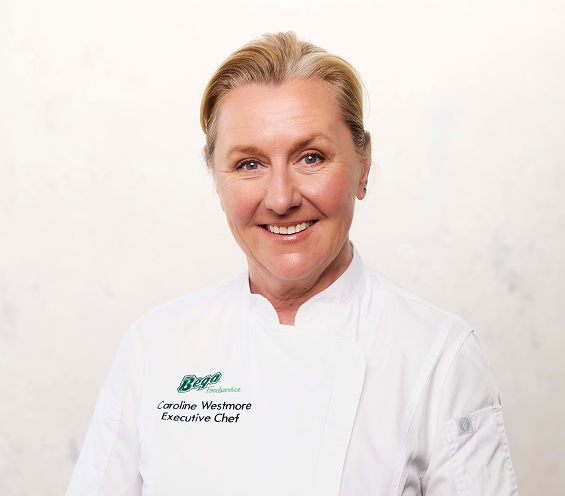
Caroline Westmore, Executive Chef, Bega Foodservice


Peanut butter is best known as a spread, but savvy chefs know it’s a far more capable and versatile ingredient in both sweet and savoury dishes. Popular among diners of all ages, it can be used on menus for lunch, dinner, dessert and snacks, as well as breakfast.
Caroline Westmore, Executive Chef at Bega, says peanut butter is packed with protein, full of nutritious vitamins and minerals, and can be a chef’s MVP for sauces, marinades, dressings, beverages, baking and desserts.
“Peanut butter has so much going for it,” she says. “It’s a really versatile, flavoursome and functional ingredient, plus it’s not expensive and has a long shelf life.”

An easy swap
Caroline believes chefs may be missing out on peanut butter’s many culinary uses. “First of all, it’s obviously a really good nut product, and can replace pretty much any nut or seed paste in recipes.”
For example, it’s easy to use peanut butter instead of tahini in hummus, giving it a nutty flavour, more nutrients and lower food cost.
“It’s also a fantastic binding agent, and can be used in a no-bake slice with oats and honey, or in a cheesecake base instead of butter.”
Sweet stuff
Peanut butter’s binding properties make it superb for frostings, icings and butter cake fillings, adds Caroline. “So if you want to fill a cake, you can use peanut butter instead of cream cheese or a frosting mix, and it’s beautiful with melted chocolate in a frosting.”
As well as the ever-popular peanut butter cookies, it is great for brownies and slices, or a peanut butter and caramel pie. It marries well with many sweet flavours, like maple syrup, honey, banana, cinnamon and strawberry.
So if you want to fill a cake, you can use peanut butter instead of cream cheese or a frosting mix, and it’s beautiful with melted chocolate in a frosting.
Perfect partners
Peanut butter’s mellow, nutty flavour makes it a natural partner for spicy and savoury ingredients like chilli, soy sauce, ginger and garlic, Caroline says.
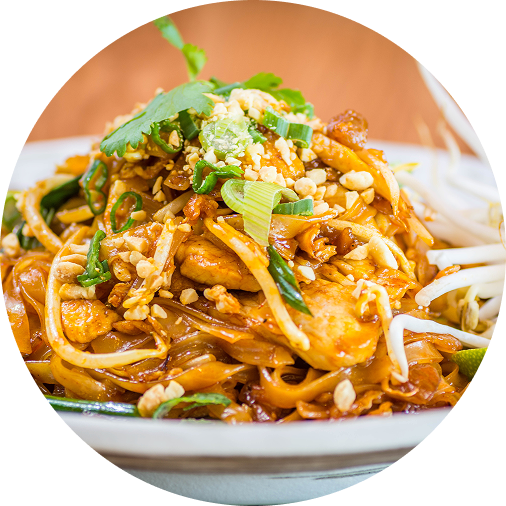
“It’s great for satay sauce of course, but it also shines in a honey and hoisin barbecue sauce, and it works really well in any Asian-style stir-fry with soy and sesame, plus it helps thicken sauces along the way.”
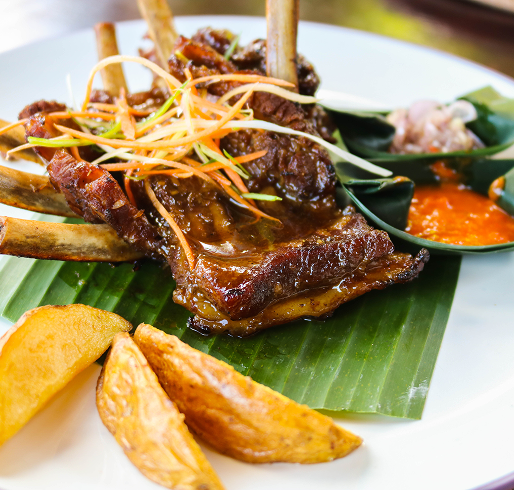
When marinating, the natural oils in peanut butter keep juices trapped inside, so lean cuts stay soft. Then the sugars and proteins create a rich, dark crust on the outside of the meat when exposed to high heat on a grill or pan.
“It actually holds many bold Asian flavours – like coconut, lime, lemongrass, and sesame – really well,” she adds. “It’s quite a mellow ingredient and doesn’t overpower with peanut flavour, you can use it in salad dressings and cold noodle dishes too.”
Smooth or crunchy?
Caroline says it’s worth having both the crunchy and smooth varieties of peanut butter on hand. “I would use crunchy in savoury marinades where you want a bit of texture, like satay or pork spare ribs.”
Meanwhile smooth is ideal for baking, frostings, slice bases and butter replacements, where it needs to blend easily.
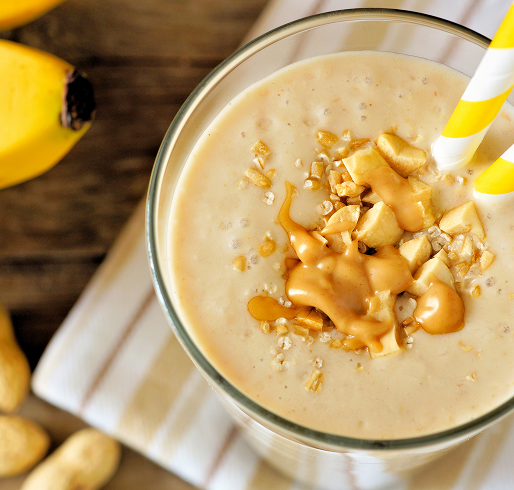
“It’s a good natural thickener,” she adds. “A dollop of smooth peanut butter in a fruit or chocolate smoothie will thicken it, as well as adding all the health benefits.”
It’s important to note on menus whenever peanut butter is used, to alert diners who are allergic to peanuts.
I would use crunchy in savoury marinades where you want a bit of texture, like satay or pork spare ribs.
Protein power
Peanut butter is naturally protein-rich, with 23.9g protein per 100g , making it a useful ingredient for vegan and vegetarian dishes, protein bars and balls, smoothies and healthy snacks.
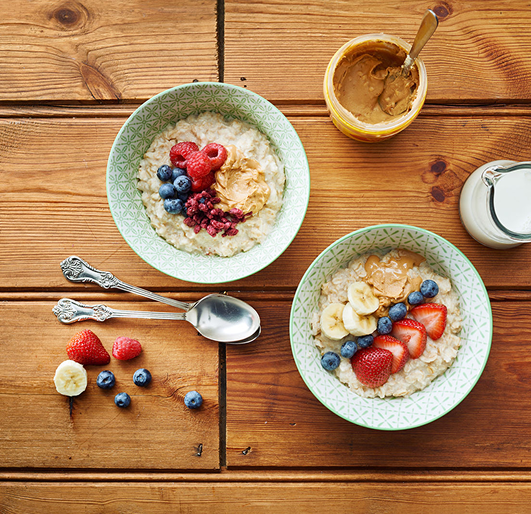
“It’s very energy-dense, so it is a useful ingredient in health settings or aged care,” Caroline explains. For example, seniors need more protein, but they also need more energy, so that’s where chefs can use peanut butter in a dessert or morning tea, or over oats at breakfast.
“A little dessert cup with peanut butter and melted chocolate folded through whipped cream gives an excellent boost of protein and energy, and tastes delicious!”
The good stuff
Peanut butter is also rich in monounsaturated fats and an excellent source of vitamin B3 and magnesium, adding to its nutritional benefits.
Bega’s peanut butter is proudly Australian made, and it has a long shelf life of around eight months unopened and two to three months once opened.
“It’s such a natural product, so versatile and it’s not expensive,” says Caroline. “I’d call it a true crowd pleaser, and a standby for any kitchen.”
I’d call it a true crowd pleaser, and a standby for any kitchen.
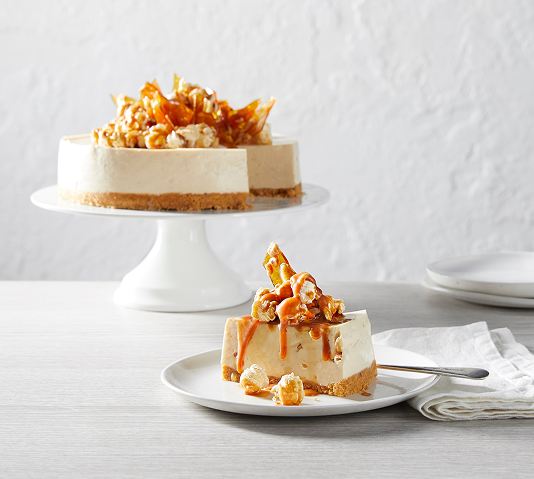
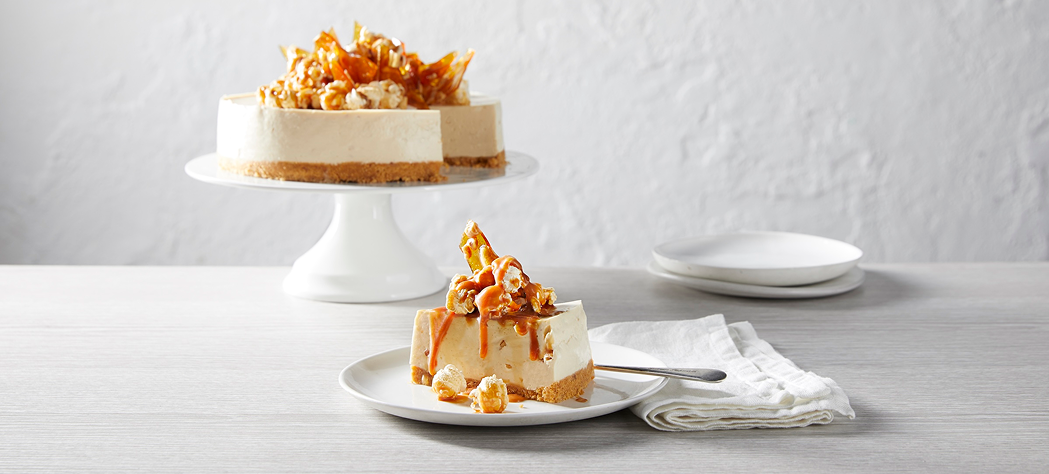
Peanut Butter Cheesecake with Salted Caramel Brittle
Serves
12
Ingredients
175g granita biscuits
80g Dairy Farmers Unsalted Butter, melted
¾ cup Bega Crunchy Peanut Butter
500g Dairy Farmers Cream Cheese, at room temperature
2/3 cup caster sugar
3 tablespoons gelatin dissolved in ¼ cup boiling water
300ml Dairy Farmers Thickened Cream, whipped to soft peaks
1 tsp vanilla extract
Caramel Brittle
1½ cups roasted, unsalted peanuts
1½ cups caster sugar
50g Dairy Farmers Unsalted Butter,chopped
½ tsp salt flakes
100g caramel popcorn
Caramel Sauce
75g Dairy Farmers butter
¼ cup brown sugar
2 tbsp milk
Method
Step 01.
Crush biscuits in a food processor to a fine crumb. Transfer to a medium sized bowl and mix in the butter. Press evenly into a 20cm springform cake tin and refrigerate for 30- 45 minutes until set firm.
Step 02.
Warm the peanut butter slightly in a microwave (or over a double boiler) until just softened. Beat cream cheese and sugar with an electric mixer until smooth. Gradually beat in gelatin mixture, vanilla extract and peanut butter until combined. Fold in thickened cream.
Step 03.
Spoon over the chilled biscuit base, and using a spatula, smooth down the top evenly. Refrigerate for 4 ½ hours or overnight.
Step 04.
To make the brittle, spread the peanuts out on one layer on a flat baking tray lined with baking paper and set aside. Heat the sugar with ½ cup water in a medium saucepan over high heat. Stir with a metal spoon until sugar has dissolved then stop stirring and cook for 8-10 minutes until golden brown. Remove from heat and stir the butter through until well combined.
Step 05.
Pour hot caramel over the peanuts, sprinkle with sea salt and allow to cool on a cold surface for 15 minutes until set hard. Break into chards.
Step 06.
To make the caramel sauce, melt the butter over low heat in a pan. Add the brown sugar and mix until dissolved. Add the milk and stir until smooth. If the caramel is too thick, add a teaspoon more milk. Allow to cool.
Step 07.
To decorate, top the cheesecake with caramel chards, caramel popcorn and drizzle with caramel sauce.

Featured Products