






Time Savers
Wednesday, 2 September 2026
Fast and foolproof: why frozen fish ticks all the boxes
Featuring:


Australian diners love their seafood, and fish is a great seller on menus all year round. However fresh fish has a short shelf life, varies in price and takes time to prepare, while frozen fish is always ready to go without sacrificing taste or quality.
“As a chef, I know fresh is always best,” says David White, Head of Culinary at Simplot. “But I also know that seafood freezes very well, and preparing fresh fish in-house for staple dishes takes far longer and generates more waste than frozen, value-added products.
“Our I&J seafood products tick all the boxes, with high quality, long shelf life, less waste and great taste.”

Time is money
David says I&J is committed to always serving quality catch – like its Australian Crispy Battered Hoki Fillets, which are caught off the coast of Tasmania, frozen at sea within hours of being caught, filleted and hand dipped in batter.
“As a chef, I like that the finished dish looks and tastes exactly as I would have made it from scratch. That’s why I say, don’t waste your time on the stuff that really isn’t going to move the dial, save your skills for other tasks that will actually make you money.”
He adds that frozen fish is consistently priced as well as saving labour and wastage. “The quality speaks for itself and there are so many benefits, especially when we don’t have the skilled labour force that we once had in our kitchens.”
Calling out country of origin
Since 1 July 2026, every seafood dish served in the nation’s foodservice outlets must indicate (A) for Australian or (I) for imported on the menu. David says Simplot sources fish from around the world, and the country of origin is always on the pack.
“Diners like to know where their food comes from. At Simplot we source seafood locally wherever we can, and prioritise MSC grading whether it’s Australian or imported.”
For example, he says Aussie Hoki fillets are wild-caught in the Southern Ocean near Tasmania, and the blue Marine Stewardship Council (MSC) tick signifies sustainable sourcing and supply chain integrity.
David says Australia’s seafood industry is also working on standardising names for fish, to eliminate confusion in products such as hoki, which is known as blue grenadier in some parts of Australia.

Diners like to know where their food comes from. At Simplot we source seafood locally wherever we can, and prioritise MSC grading whether it’s Australian or imported.
Pricey real estate
David recommends once chefs have sourced their fish products, they need to take a close look at their freezer ‘real estate’.
“I mean, no one’s ever got enough freezer space in the hospitality world, so it’s valuable. Every product in there needs to earn its place, so it’s worth using it in multiple ways. So a nice hoki fillet can be used in a fish and chips meal deal, as a kids’ meal, on a share plate, in a fisherman’s basket, and as a fish taco bar snack.”
This means menu looks full of choices, but the freezer isn’t full of multiple different products sitting in the freezer for months waiting to be used.


Seafood University is now open
Simplot’s new online training program, Seafood University, launched last month with short and snappy modules for chefs to learn more about serving frozen fish and seafood.
In just half an hour, chefs at any level can learn how fish is processed and frozen, handling and storage tips and how to maximise yield and minimise costs, as well as troubleshooting common issues.
“I call it Seafood 101, we are showing chefs how to prepare and serve seafood for maximum profit, and demonstrating what happens when the products aren’t treated well,” David says. “We also look at the true cost of putting fish on a plate, including labour and waste, because sometimes the cheapest product doesn’t offer the most value.”
I call it Seafood 101, we are showing chefs how to prepare and serve seafood for maximum profit, and demonstrating what happens when the products aren’t treated well,
David's top three tips
David’s advice for chefs serving seafood comes down to three things: know your fish and where it is from, store and handle it well by keeping it frozen until needed, and cook it exactly as directed on the box.
“Firstly, you want to understand your product – is it recognisable? Is it high quality? Is it sustainable? Will it sell on my menu?
Next, store it effectively and keep it frozen at all times and only take it out when you need it.
Finally, and it sounds logical, do follow the cooking instructions. We spend a lot of time testing each product to make sure the instructions on the box give the best result.”


Share the love
Seafood ideally placed to satisfy diner preferences for share plates and platters, which can also give a meaningful boost to every bill.
“I think people have moved away from entrees and often prefer to order two or three plates to share instead,” David reflects.
“So that’s where value-added seafood shines. You can do a nice serving of salt and pepper squid and battered fish pieces, plus some dipping sauces, and you’re good to go.
“All the smart operators are doing it, it’s a more social way of eating, and it’s a good way to add value to a sale.”
I think people have moved away from entrees and often prefer to order two or three plates to share instead,
The bottom line
Frozen seafood is easy to cook and serve, versatile, cost-effective, minimises waste and is just what today’s time and labour-poor kitchens need. There’s plenty of inspiration available at Simplot’s website, with recipes created and kitchen-tested by David and his culinary team.
“I’ve been with Simplot for 25 years, and my benchmark for all our products is, could I make it better myself for the same cost? Our aim is always to offer the best quality product that saves time and effort, and keeps your diners coming back for more.”

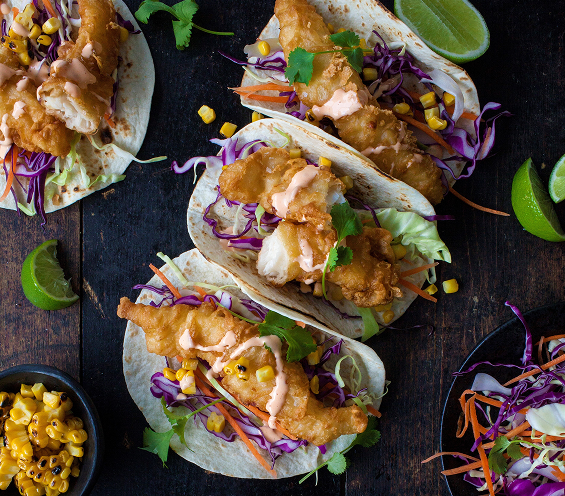
Crispy Battered Hoki Tacos
I&J’s Crispy Battered MSC Australian Hoki fillets, wrapped in grilled tortillas and served with a slaw salad.
Serves
10
Ingredients
400g shredded green cabbage
400g shredded red cabbage
200g julienned carrot
Lime juice dressing
20 frozen I&J® Crispy Battered MSC Australian Hoki Fillets 50g
20 12cm mini tortillas, grilled
4 Edgell® Australian Corn Ribs, charred on the grill
Fresh coriander leaves, chipotle mayonnaise and lime wedges, for serving.
Method
Step 01.
Combine cabbages and carrot. Dress with lime juice dressing.
Step 02.
Cook frozen I&J Fish following packet directions.
Step 03.
Top tortillas with coleslaw, fish, charred Edgell Corn and coriander. Serve drizzled with chipotle mayonnaise and lime wedges on the side.

Featured Products
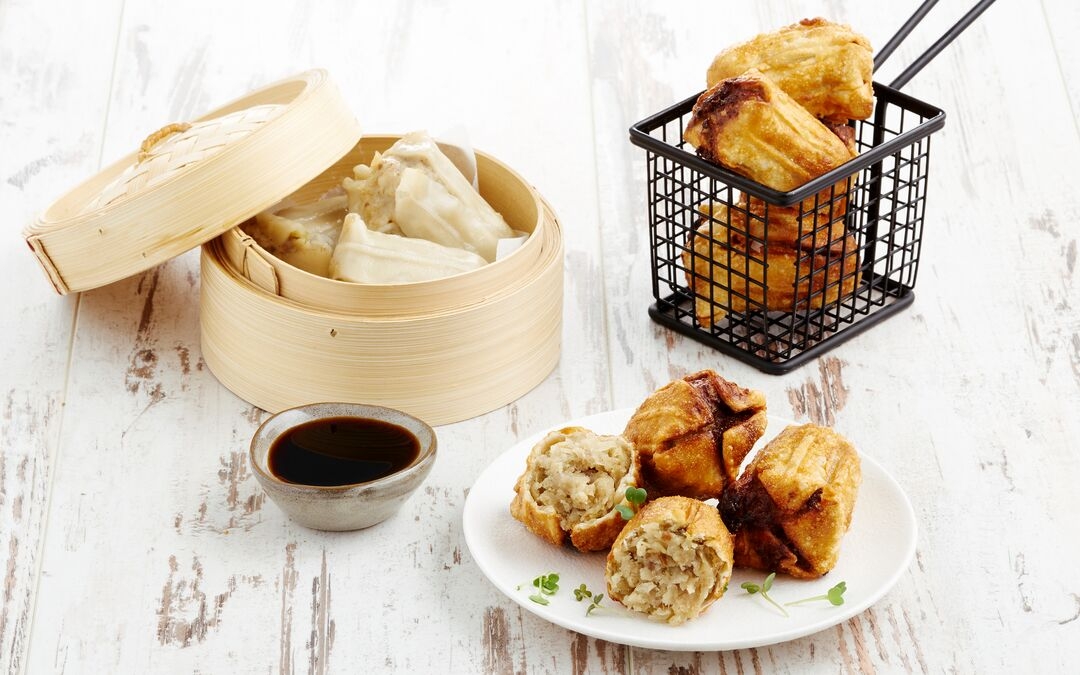


Chiko Dimees 4 x 3kg
4 x 3kg

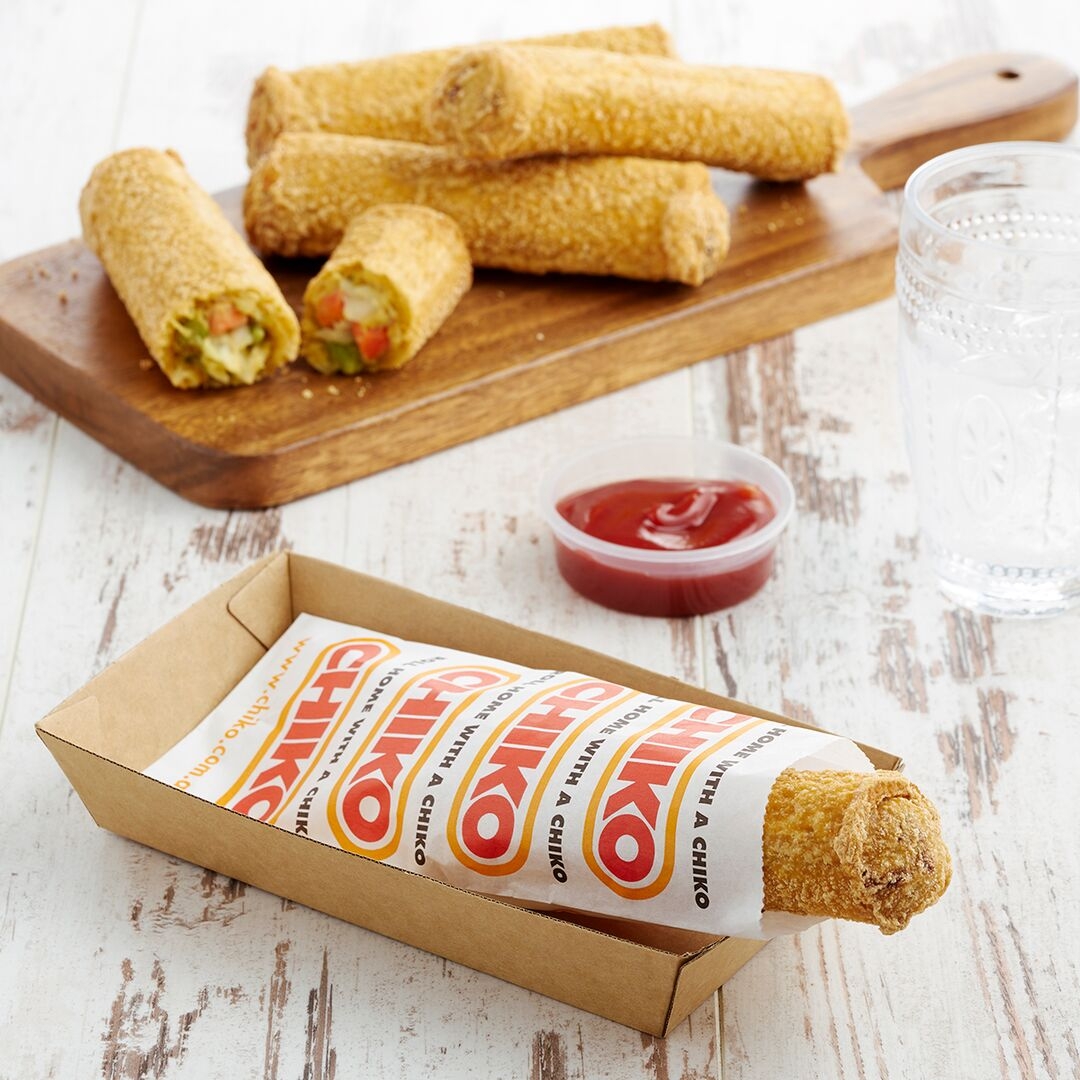
Chiko Rolls 6 x 2kg
6 x 2kg


Edgell® 10mm Ultrafast Chips 4 x 3.5kg
4 x 3.5kg


Edgell® 13mm Classic Chips 4 x 3.75kg
4 x 3.75kg

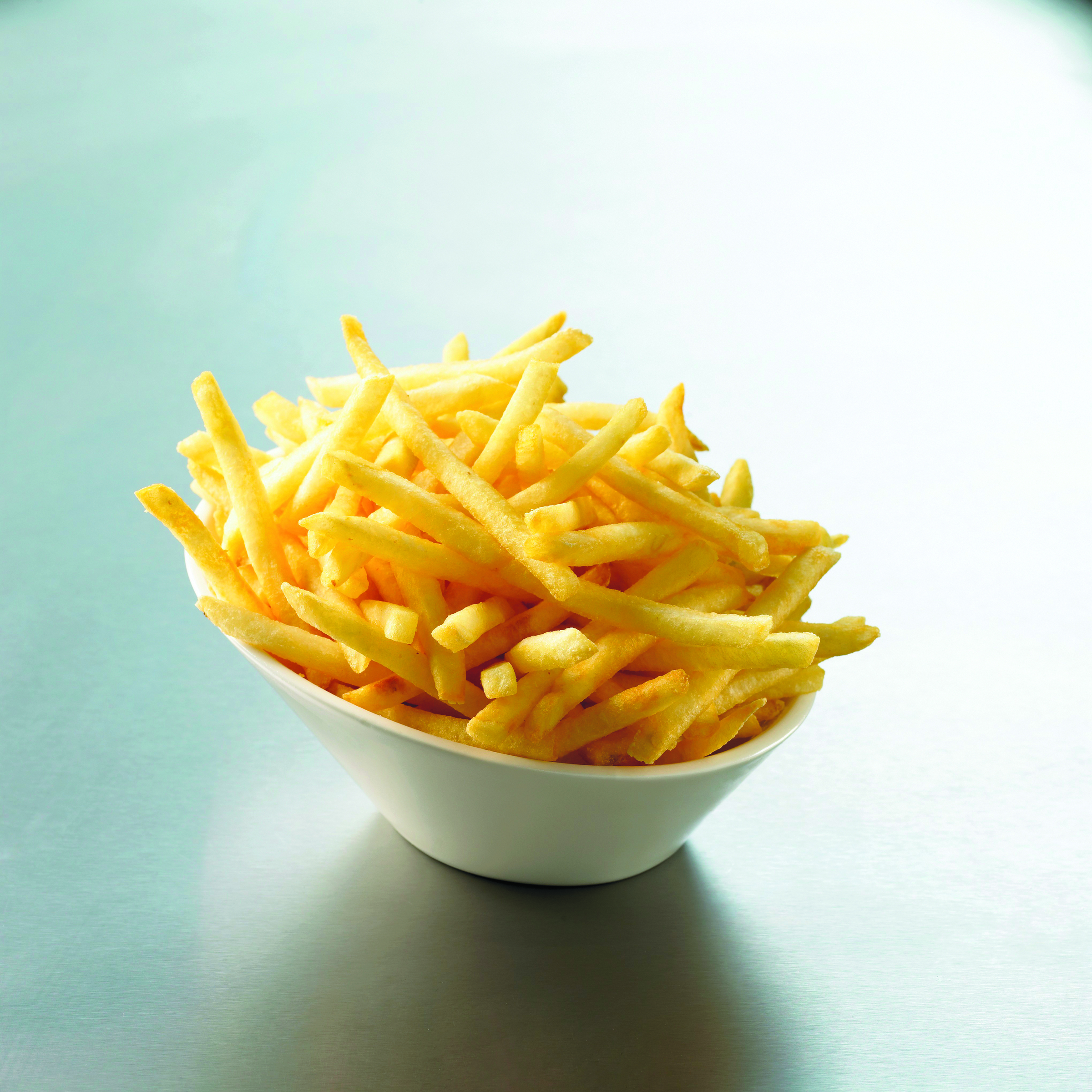
Edgell® 7mm Chips Shoestring 4 x 3kg
4 x 3kg


Edgell® Beer Battered Chips 6 x 2kg
6 x 2kg

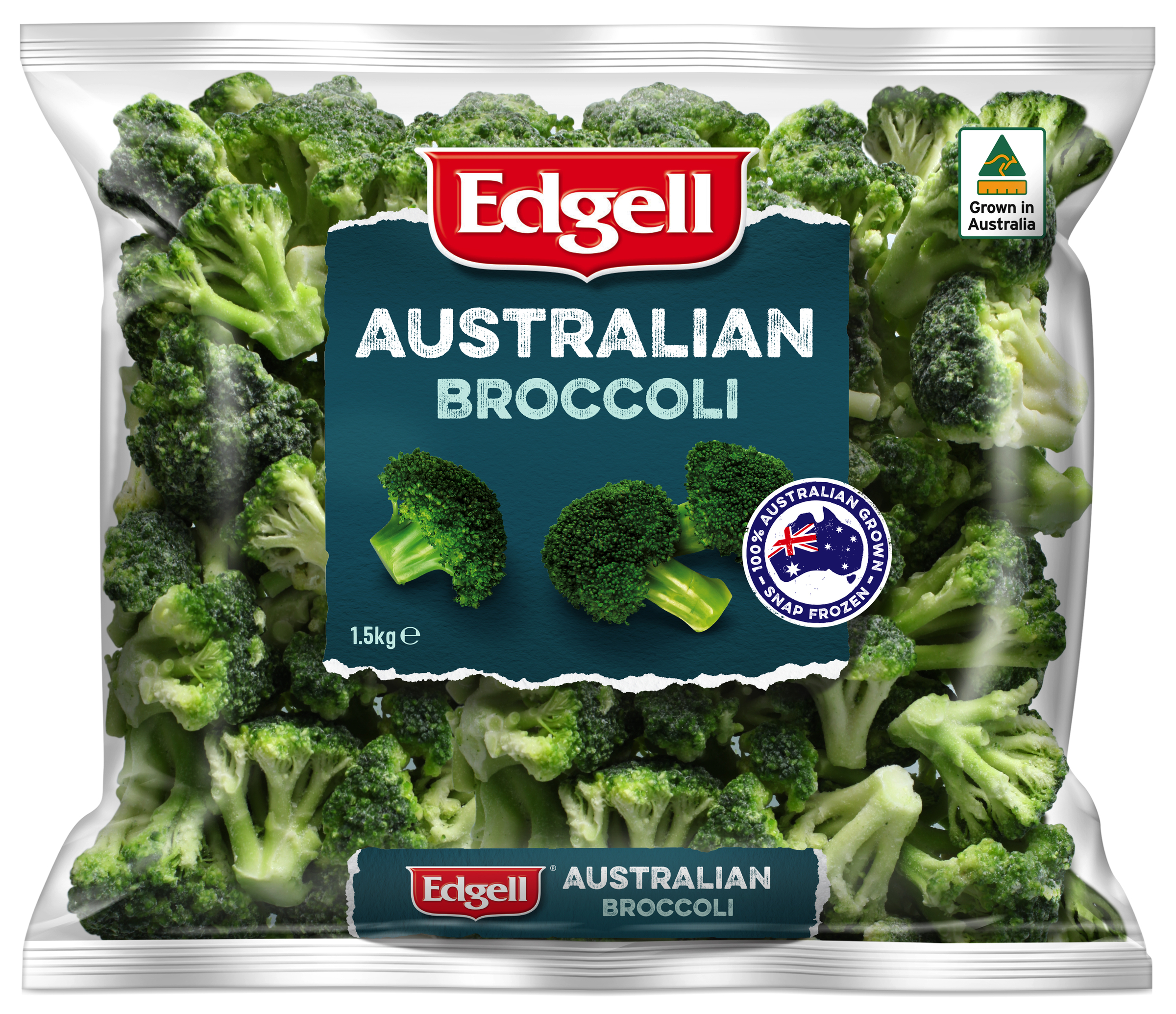
Edgell® Broccoli Florets 6 x 1.5kg
6 x 1.5kg

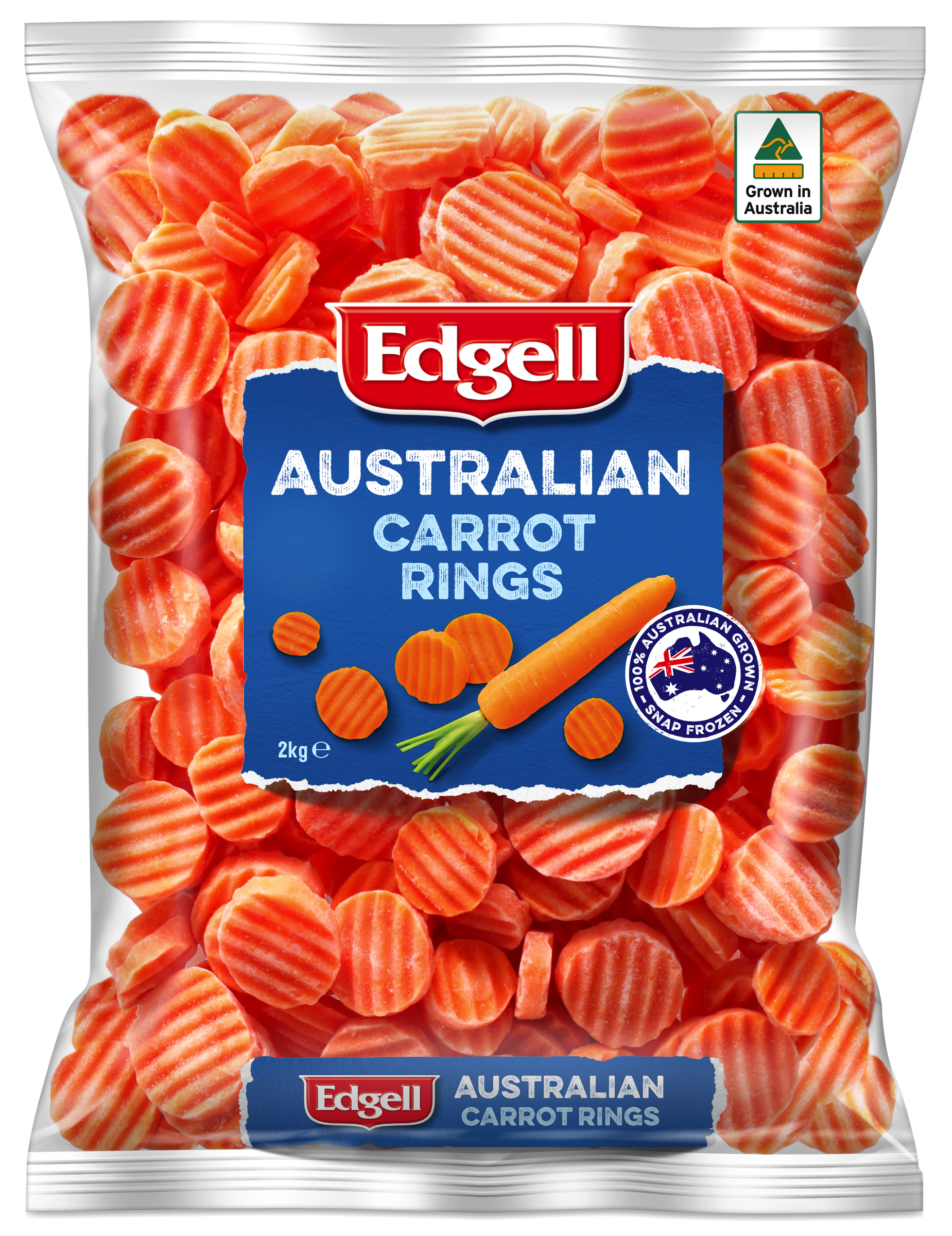
Edgell® Carrot Rings 6 x 2kg
6 x 2kg


Edgell® Chopped Onions 6 x 2kg
6 x 2kg


Edgell® Chunky Avocado Pulp 8 x 454g
8 x 454g


Edgell® Corn Kernels 6 x 2kg
6 x 2kg

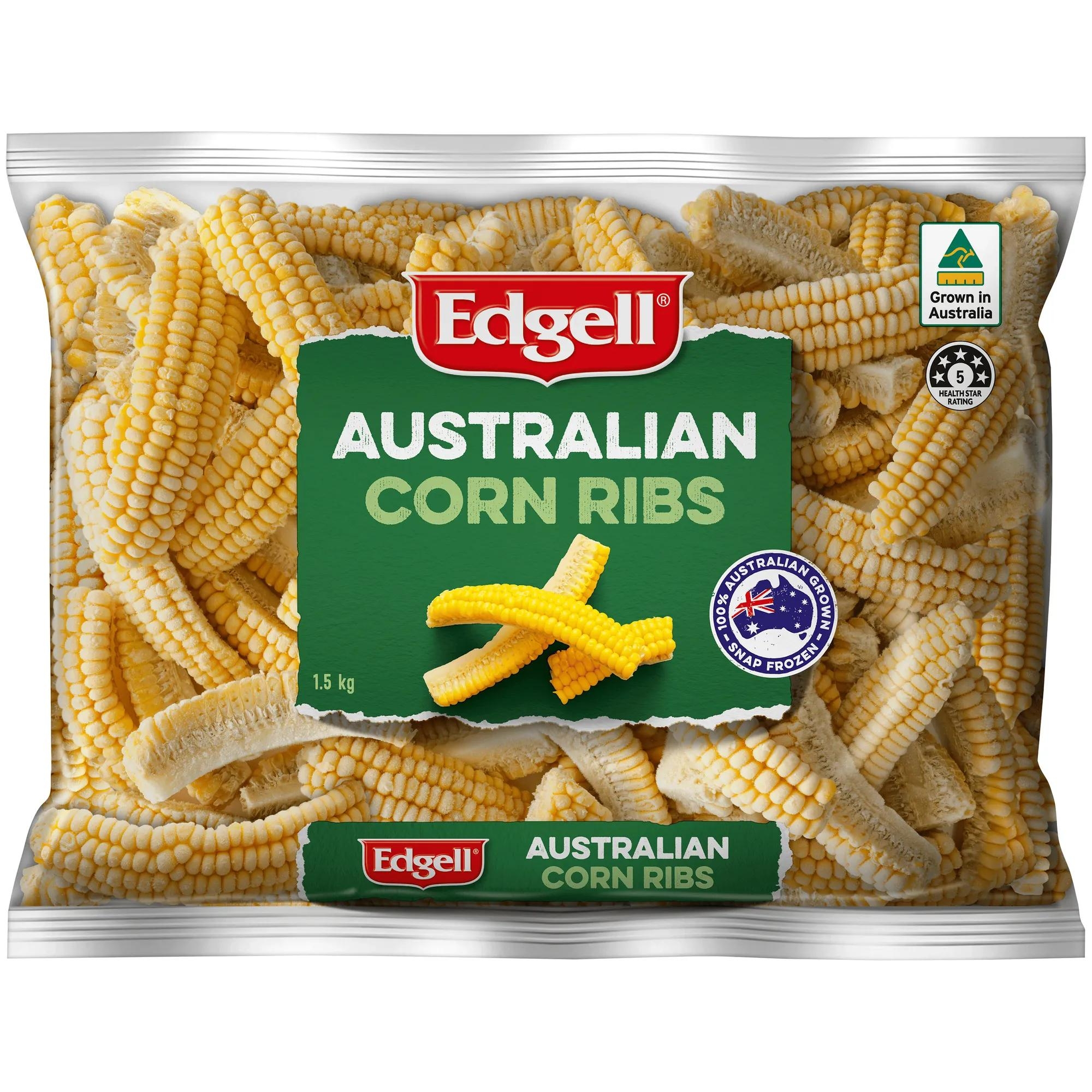
Edgell® Corn Ribs 6 x 1.5kg
6 x 1.5kg


Edgell® Cross Cut Beans 6 x 2kg
6 x 2kg


Edgell® Diamond Cut Beer Battered Chips 6 x 2kg
6 x 2kg

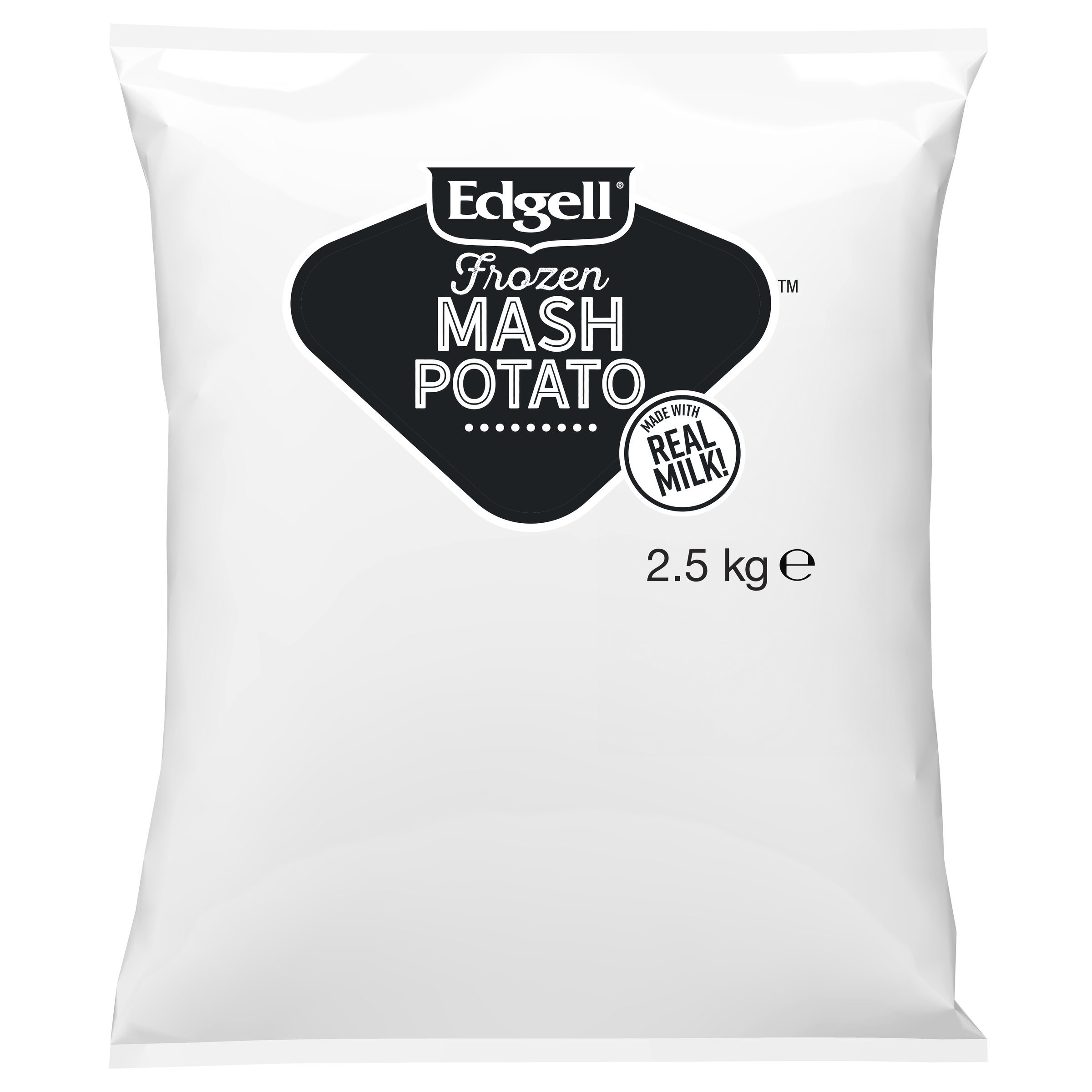
Edgell® Frozen Mash Potato 4 x 2.5kg
4 x 2.5kg

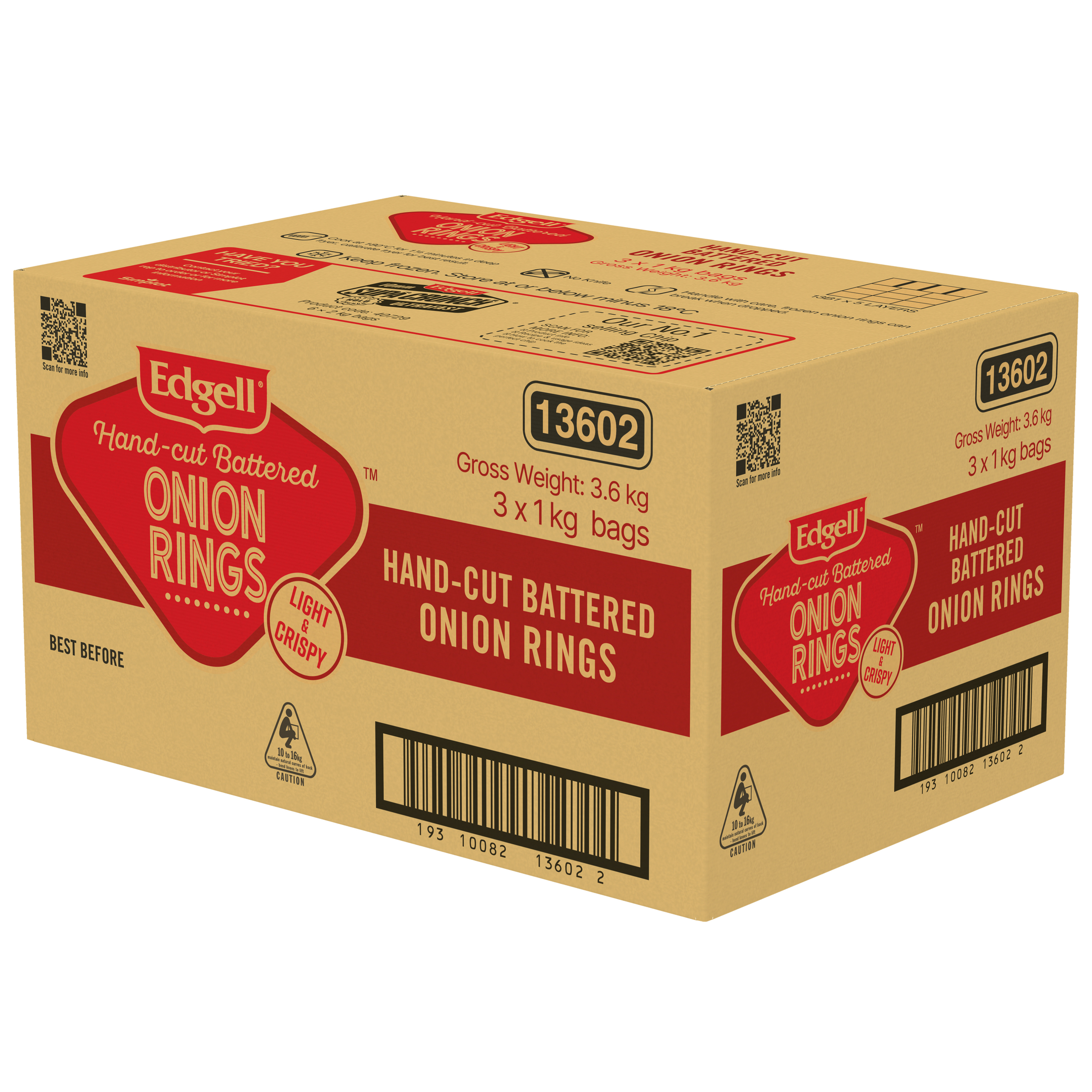
Edgell® Hand Cut Onion Rings 3kg
3kg

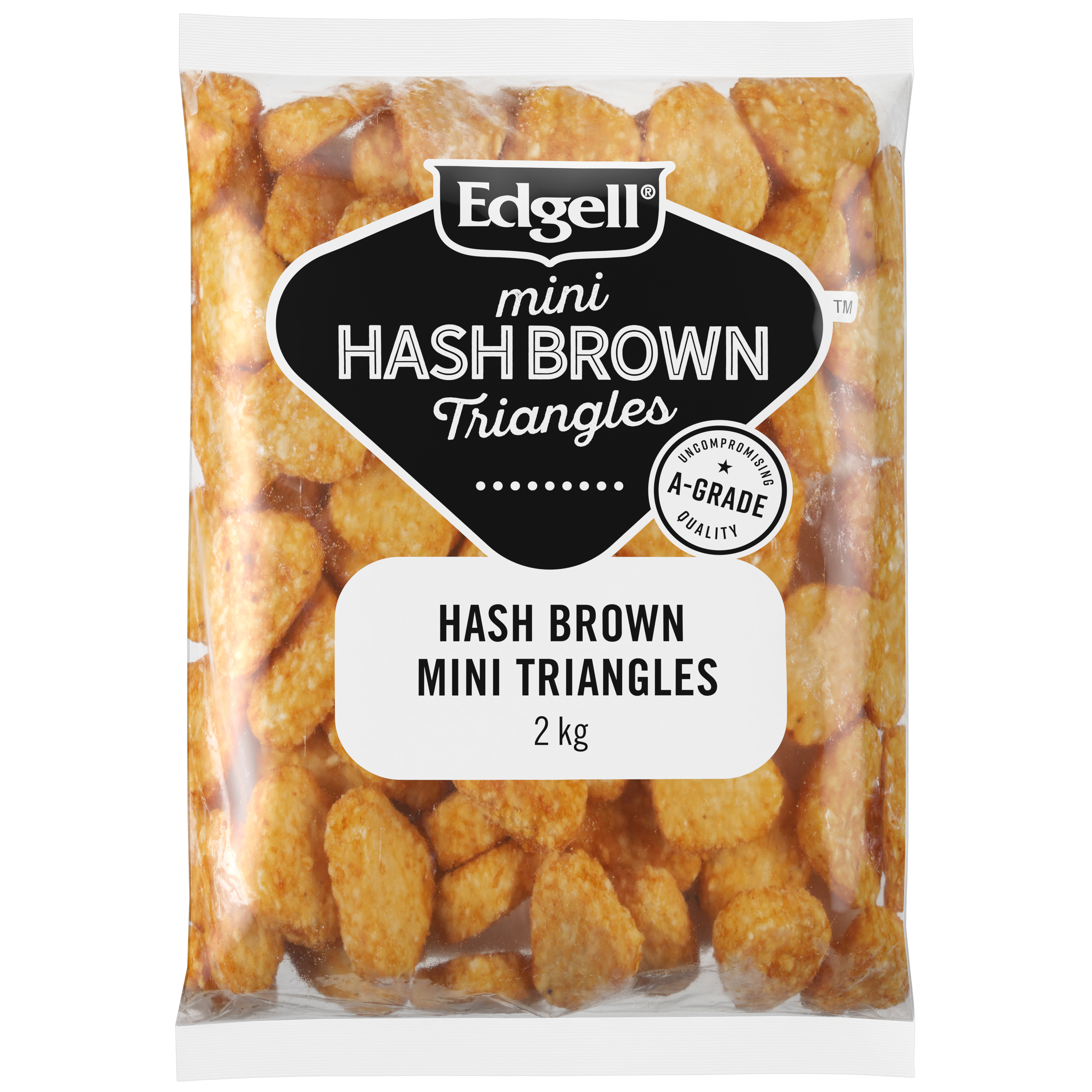
Edgell® Hash Brown Mini Triangles 6 x 2kg
6 x 2kg


Edgell® Mixed Vegetables 6 x 2kg
6 x 2kg


Edgell® Oval Hash Browns 6 x 2kg
6 x 2kg


Edgell® Peas 6 x 2kg
6 x 2kg
